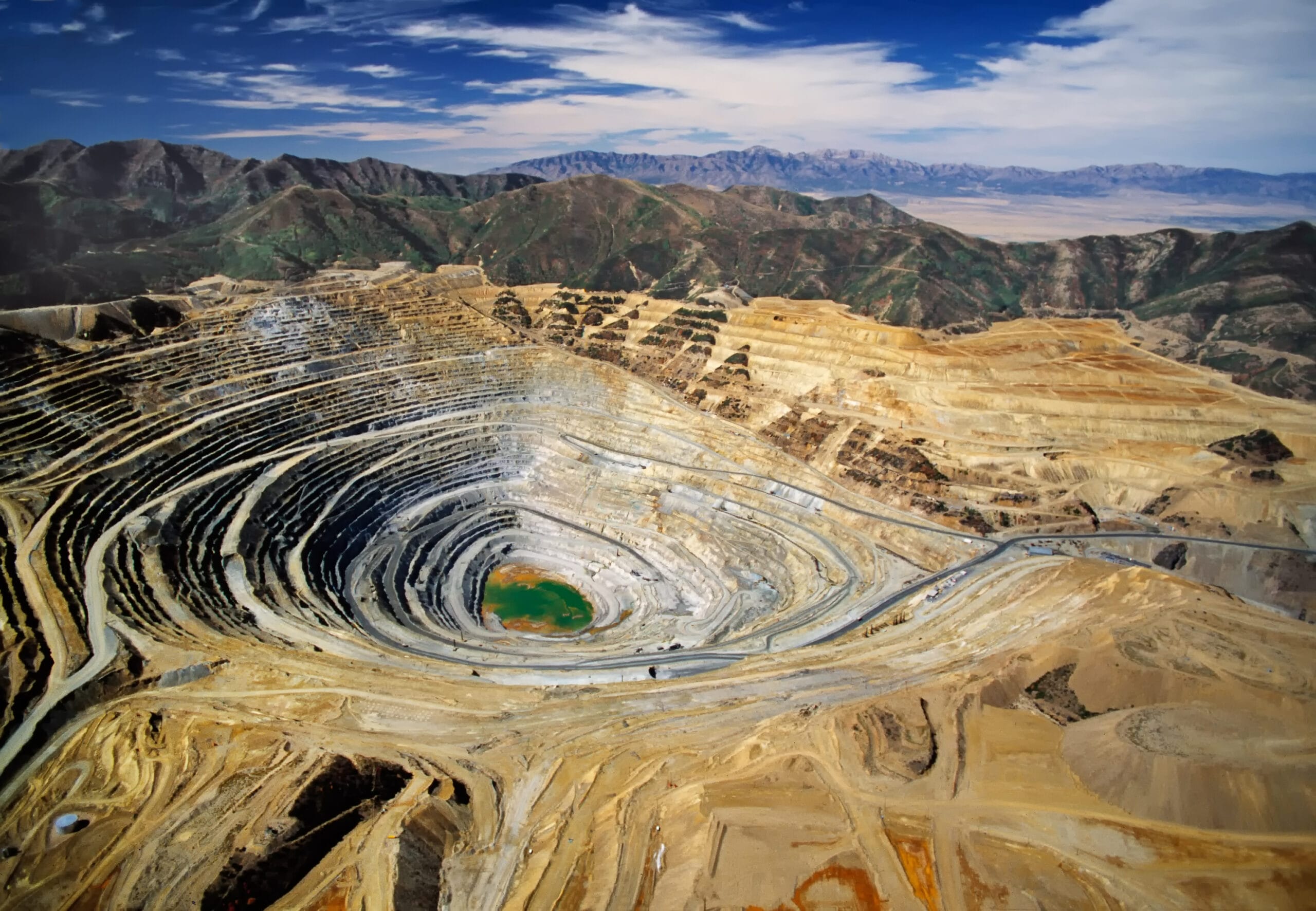
At the heart of this shift is the surging forecast demand for critical minerals, essential for clean energy technologies and modern infrastructure, yet increasingly difficult to secure due to concentrated supply chains and political risk. Add to this a volatile trade environment, tighter ESG expectations, rising capital constraints, and intensifying pressure from communities, and it’s clear that mining companies can no longer rely on traditional operating models. In response, the sector is being forced to innovate – deploying AI and automation, forging new partnerships, and exploring alternative funding mechanisms – all while striving to earn and maintain a social licence to operate. This article explores how the industry is navigating these global shifts and what lies ahead for mining companies in an era defined by disruption.
Critical Minerals Take Centre Stage
The security of supply of critical minerals is continuously growing as the major strategic concern in the global mining sector. These minerals, such as lithium, cobalt, nickel, rare earth elements, and graphite, are indispensable for clean energy technologies, electric vehicles, and high-tech manufacturing. However, access to them is increasingly uncertain due to geopolitical tensions, concentrated supply chains, and growing demand.
A central issue is China’s dominance in both the production and processing of many critical minerals. While the country holds significant reserves and produces around 70 percent of the world’s critical minerals, its real influence stems from its near monopoly in processing capabilities. For example, China processes over 85 percent of the world’s rare earth elements and controls over 90 percent of global graphite refining. It also plays a dominant role in lithium hydroxide production and cobalt refining.
This overwhelming control has raised serious concerns among Western nations. China’s ability to restrict exports, as seen in past disputes, highlights the vulnerability of supply chains that depend on a single, geopolitically complex source. Recent export restrictions on gallium and germanium, and threats to tighten controls on rare earths, have served to fuel these fears. In response, countries including the US, Canada, Australia, and members of the European Union are launching critical mineral strategies to reduce dependence on China.
These strategies include supporting domestic exploration and refining projects, building strategic reserves, forging international supply agreements, and supporting technological innovation in recycling and substitution. However, given China is able to extract and refine these minerals far cheaper than would be possible with new operations in Western countries, all eyes are on Western countries to provide the necessary financial incentives to develop these industries at the necessary pace.
A key development this year has been the increasing involvement of the Export-Import Bank of the United States in supporting critical minerals projects, both domestically and abroad. The agency has issued a significant number of expressions of interest aimed at financing mining and processing ventures essential to strengthening supply chain resilience. These EOIs reflect a growing strategic imperative: to secure access to critical minerals by backing projects that align with US national interests and reduce overreliance on adversarial supply chains.
Many of these EOIs target emerging markets and allied countries, offering financial tools such as loan guarantees and direct financing to help derisk investments and accelerate project timelines. This proactive stance by US Exim marks a shift in how governments are using financial policy to compete in the global race for resource security, recognising that capital mobilisation is as critical as geology in securing long-term supply.
Trump’s Tariffs
US president Donald Trump’s recent tariff policies raise significant issues for global mining markets. Trade tariffs on steel and aluminium, coupled with more general “reciprocal” tariffs of between 10 percent and 25 percent on imports from other countries has resulted in significant uncertainty in the markets.
Copper and critical minerals are currently exceptions to the “reciprocal” tariffs, pending ongoing investigations, but that has not stopped an influx of copper into the US to safeguard against their inclusion in the tariff regime, significantly depleting global reserves, and causing a price surge.
A range of legal challenges against the tariffs are underway, but until there is a resolution, these disputes compound the uncertainty in the markets, affecting investor confidence. While Trump’s tariff policies aim to bolster domestic industries, supply chain disruptions, increased costs, and shifting investment patterns underscore the complexities of achieving mineral security in a globally interconnected market.
The ripple effects of these tariffs extend beyond just pricing and trade flows and they are also influencing project development timelines and strategic planning across the mining industry. Companies reliant on imported equipment, machinery, or other inputs now face higher costs and longer lead times, complicating the economics of both new and ongoing projects.
Additionally, uncertainty around future tariff coverage has prompted some firms to fast-track shipments or consider relocating processing activities to jurisdictions perceived as lower risk. For emerging market producers, the shifting US trade stance adds another layer of geopolitical complexity, potentially deterring investment in regions seen as vulnerable to sudden policy shifts. As a result, mining companies and their financiers are increasingly factoring trade policy volatility into their risk assessments, further highlighting the importance of stable, transparent trade frameworks in ensuring the resilience of global mineral supply chains.
Social Licence to Operate
Securing and maintaining a social licence to operate remains one of the most significant challenges facing mining companies today. Unlike legal or regulatory permits, a social licence refers to the ongoing approval and acceptance of a mining project by local communities, indigenous groups, and broader civil society. Without it, projects can face delays, protests, reputational damage, and shutdowns despite meeting all legal requirements.
One of the core challenges is community trust. Past environmental degradation, displacement of communities, and broken promises have led to deep-rooted scepticism towards mining operations. Indigenous rights also present a particularly complex area. Failure to respect these rights can result in legal battles, international scrutiny, and project failure. Mining companies are under increasing pressure to shift from mere consultation to meaningful partnerships with indigenous stakeholders. Companies must now demonstrate genuine commitment to environmental stewardship, transparent communication, and long-term socioeconomic benefits for affected populations.
A developing front in social licences are wealthy communities. While mining has often been undertaken in remote locations, the pressure to develop more mines for critical minerals means looking closer to home. Where local communities do not “need” anything from the mining operations (such as jobs or infrastructure), obtaining a social licence becomes even more difficult.
Funding Constraints
Mining companies today face significant challenges in securing equity and debt financing. These constraints stem from a combination of market volatility, rising investor demands for sustainability, and the capital-intensive nature of mining projects.
Despite a resurgence in commodity prices, mining companies are facing challenges in attracting equity capital. Factors such as fluctuating metal prices, geopolitical tensions, and rising interest rates have contributed to a more cautious investment environment. Similarly, mining companies also face debt constraints. Lenders are increasingly cautious about extending credit due to the environmental risks, regulatory challenges, and long project timelines inherent in mining. Banks and institutional investors often impose stricter loan covenants linked to sustainability targets and operational transparency. Furthermore, geopolitical risks – such as resource nationalism and trade tensions – heighten the perceived risk profile of mining ventures, leading to higher borrowing costs or reduced credit availability.
The availability of alternative capital solutions, such as royalties and streams, remains a vital source of finance to support project development and bridge funding gaps. However, royalties and streams must be structured carefully so as to avoid eroding long term project value (as they reduce future cashflows) and/or inhibiting future project finance options.
Transformative AI and Automation
Mining operations are significant contributors to global greenhouse gas emissions, accounting for approximately 4 percent to 7 percent of the total. To mitigate this impact, companies are investing in renewable energy sources, such as solar, wind, and hydroelectric power, to replace fossil fuels in their operations.
In addition, artificial intelligence can offer transformative solutions to longstanding challenges such as operational inefficiency, safety risks, and environmental impact. In exploration, machine learning algorithms analyse geological data to identify promising mineral deposits faster and more accurately than traditional methods. Predictive maintenance tools powered by AI are also improving equipment reliability by detecting faults before failures occur, reducing downtime and repair costs. AI also enhances real-time decision-making. Advanced analytics platforms integrate data from sensors, drones, and digital twins to monitor mine conditions and optimise workflows. This allows for dynamic responses to changing conditions, such as ore quality or equipment wear, improving yield and reducing waste.
Automation has also made significant advances in mine operations. Autonomous haul trucks, drilling rigs, and trains are now a reality at major sites in Australia, Chile, and Canada. These systems increase efficiency and reduce safety risks by removing workers from hazardous environments.
Oil Companies Dabbling
As the global transition to a low-carbon economy accelerates, some of the major oil and gas companies have made moves into the mining sector, primarily focused on lithium and other critical minerals essential for clean energy technologies. This reflects a broader shift in the energy landscape, where traditional fossil fuel producers are adapting their business models to remain relevant in a decarbonising world.
These energy giants bring deep pockets, project development expertise, and geopolitical influence – resources that can significantly accelerate the development of critical mineral supply chains. Several have already announced joint ventures or direct investments in lithium extraction and battery material refining, across regions as diverse as South America, Africa, and Australia. Their entry into the sector also signals a convergence of the mining and energy industries, blurring traditional boundaries and reshaping competitive dynamics. Their involvement could help bridge crucial funding and infrastructure gaps, especially in jurisdictions where mining juniors have struggled to access capital or scale operations.