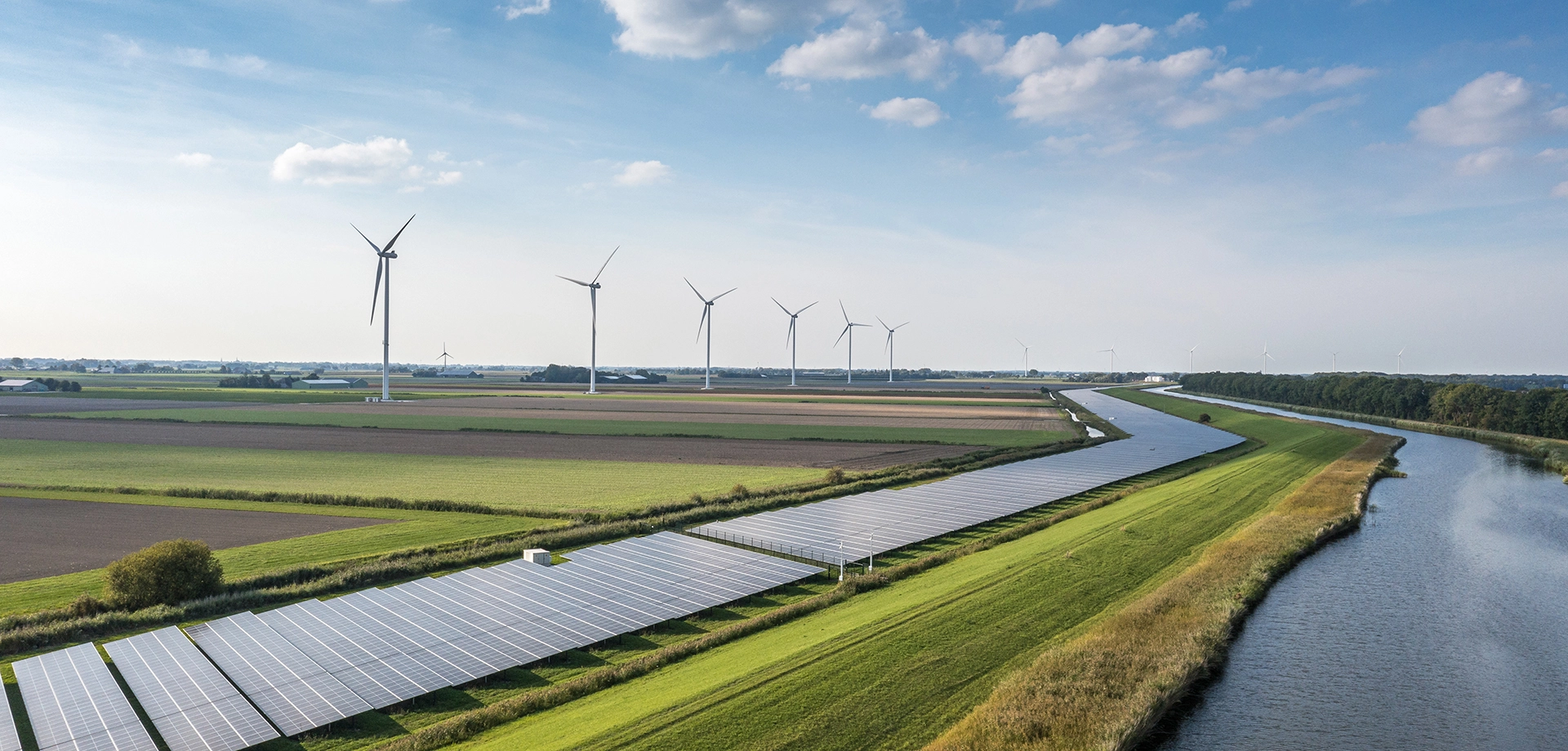
An unprecedented, yearslong surge in renewable energy project development has left many gigawatts of solar energy, wind energy, and battery energy storage system projects under development awaiting interconnection to the United States power grid. The growing queue of clean energy project developers seeking interconnection services continues to overwhelm transmission owners and independent system operators and creates additional uncertainty for developers already facing onerous supply chain challenges. Coincident with this growing backlog of renewable projects, energy demand is rapidly increasing, driven by the growth of artificial intelligence and related data center development, as well as electrification of the broader economy. Despite this growing demand, many baseload generation resources are being retired earlier than anticipated due to state and federal environmental policies. Those responsible for maintaining the electric systems across many regions are increasingly concerned about their ability to maintain system reliability going forward.
In response to reliability concerns, several independent system operators/ regional transmission operators (ISOs/RTOs) recently sought and received Federal Energy Regulatory Commission (FERC or Commission) authorization to implement novel expedited interconnection initiatives that will allow small groups of qualifying new generation facilities to interconnect on a significantly accelerated schedule, while most other types of generation projects remain subject to the preexisting slower interconnection procedures. FERC’s acceptance of ISO/RTO programs implementing accelerated or fast-track interconnection time frames for qualifying generation projects (anticipated to be largely fossil-fuel facilities) is expected to increase the prevalence and pace of fossil-fuel-generation interconnection across large portions of the United States. Whether these expedited interconnections will be at the expense of renewable energy project interconnections remains to be seen, but, in the interim, it appears that fossil-fuel project developers stand to benefit most from the new FERC-accepted fast-track interconnection programs.
Separately, FERC has sought to ensure the interconnection and availability of generation resources in other ways, such as granting waivers of interconnection agreement and tariff provisions for commercial operation deadlines for renewable energy projects that can demonstrate that the delays they face are outside of their control and that they exercised due diligence in good faith throughout the relevant project’s interconnection process. Renewable generation developers seeking such waivers successfully pointed to tariff-related supply chain delays and other challenges outside of their control that threaten developers’ abilities to satisfy milestone deadlines related to their interconnections. Both the fast-track interconnection programs and FERC’s willingness to grant interconnection agreement and tariff waivers for renewable energy developers reflect some of the headwinds facing renewable-energy project development.