
What to Know
- Missile strikes on energy infrastructure expose gaps in insurance coverage and liability risk.
- War exclusion clauses can limit recovery, requiring careful analysis of policy terms.
- Companies must assess contracts and coverage strategies to mitigate losses in conflict zones.
Less than a month into the US-Israel war against Iran, the global energy insurance market is experiencing what one reinsurance analyst aptly described as a “systemic shock.”
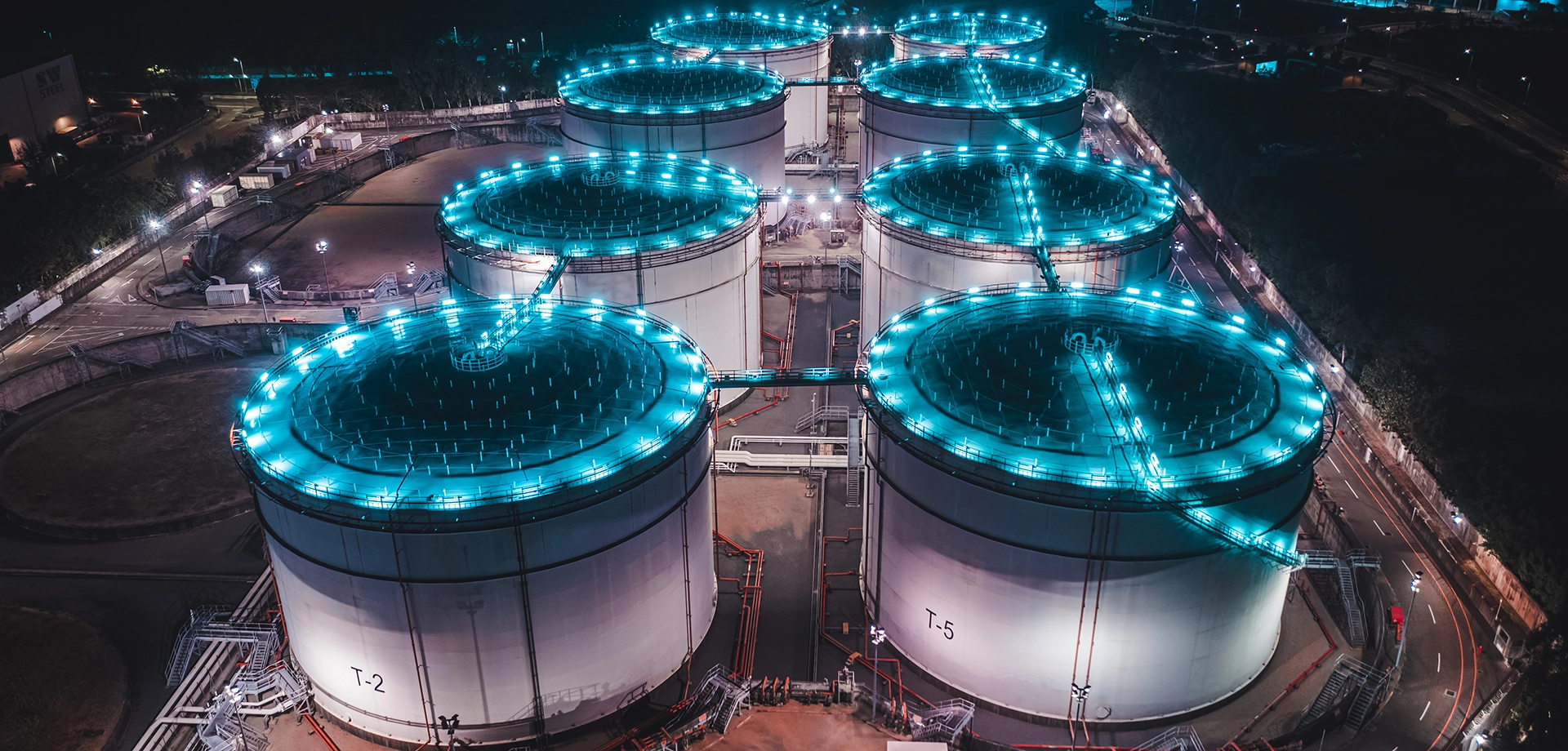
Iranian drone and missile strikes have hit energy infrastructure across at least six Gulf nations—including the largest LNG terminal in the world in Qatar and oil processing facilities in Bahrain, Kuwait and the UAE, as well as offshore platforms in Iraq. These are not abstract risks to be stressed-tested in a board presentation. They are live losses, and the legal battle over who pays for them has already begun.
For in-house counsel at energy companies with assets, contractual counterparties or supply chain exposure in the Gulf, the next several weeks will determine the scope of recoverable losses or foreclosures on coverage. Understanding where the critical legal fault lines fall is not optional.
The War Exclusion Problem: What Your Property Policy Actually Covers
The instinct of many risk managers in the first days of the conflict was to reach for their property policies. That instinct is correct, but it requires immediate scrutiny of one of the most litigated provisions in commercial insurance: the war exclusion.
Most commercial property policies written on Insurance Services Office (ISO) or London Market forms contain a war exclusion that bars coverage for “loss or damage caused by or resulting from” hostile or warlike action by a government or sovereign power. On its face, this appears to create a blanket bar for any property loss in the current conflict. The legal reality is considerably more nuanced, and that nuance is where coverage lives or dies.
The threshold question is whether the Iranian strikes constitute “hostile or warlike action” within the meaning of the policy. When the damaged facility is located in Qatar, Saudi Arabia or another Gulf state that is not a party to the war, policyholders have a credible argument that the damage resulted from a spillover attack, i.e., an act of regional aggression, rather than a direct warlike action against the insured.